
Leading Storm Restoration Equipment For Effective Damage Repair
Equip yourself with top-performing tools designed to handle the toughest storm damage scenarios with ease.
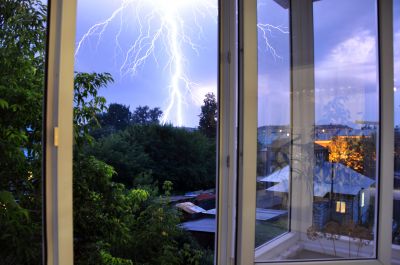 Storm restoration projects in Upper Marlboro, MD often require a comprehensive selection of products to address the various challenges posed by severe weather. From repairing damaged roofs to reinforcing vulnerable structures, a wide range of tools and materials are essential for effective restoration efforts. Proper planning and selecting the right products can help ensure safety, durability, and long-lasting results. It is important to understand the different categories of storm restoration products available, including sealing solutions, reinforcement materials, and safety equipment, to make informed decisions during repairs.
Top Overall Option
Heavy-Duty Weatherproof Tarp
A high-quality weatherproof tarp serves as an essential component in storm restoration, providing immediate cover for damaged roofs, windows, or walls. Its durability and resistance to wind and water make it versatile for various emergency and repair applications. When selecting a tarp, consider size, material strength, and UV resistance to ensure it offers reliable protection during and after storm events.
Types of Products For Storm Restorations
Waterproof Sealants
Sealants help prevent water intrusion and protect damaged surfaces from further deterioration. They are available in various formulations suitable for roofs, windows, and siding.
Heavy-Duty Tarps
Tarps provide temporary cover and protection for damaged areas, helping to contain debris and prevent water ingress.
Structural Reinforcement Materials
Materials like steel braces, plywood sheathing, and hurricane straps help stabilize compromised structures against future storms.
Water Extraction Equipment
Tools such as wet vacuums and sump pumps are essential for removing water from flooded areas and preventing mold growth.
Fasteners and Anchors
Heavy-duty nails, screws, and anchors secure repairs and reinforce structures against high winds.
Roofing Underlayment
Underlayment materials provide an extra layer of protection under roofing materials, enhancing water resistance.
Gutter and Downspout Extensions
These help direct water away from foundations, reducing erosion and water damage.
Safety Gear
Helmets, gloves, and protective eyewear safeguard workers during restoration activities.
Ladders and Scaffolding
Essential for accessing high or hard-to-reach areas safely during repairs.
Power Tools
Cordless drills, saws, and other power tools facilitate efficient repair work on various materials.
Insulation Materials
Insulation helps restore energy efficiency and prevent further damage caused by moisture.
Drainage Solutions
Drainage mats and systems help manage water runoff and prevent pooling around foundations.
Popular Choices
Widely used for emergency coverage and temporary repairs, offering strong resistance to wind and water.
Commonly applied to seal leaks and cracks in roofing and siding to prevent water intrusion.
Frequently chosen for flood cleanup to efficiently remove standing water from affected areas.
Popular for stabilizing weakened roof structures and walls against storm forces.
Commonly used for securing repairs and ensuring structural integrity during high winds.
Essential safety equipment frequently selected by restoration workers for protection during repairs.
A popular choice for enhancing roof waterproofing and durability during storm repairs.
Often used to improve drainage and protect foundations from water damage.
Commonly employed for safe access to elevated repair sites.
Popular tools that facilitate quick and precise repair work on various building materials.
Frequently used to restore energy efficiency and prevent moisture buildup.
Chosen for managing water flow around foundations and preventing pooling.
When dealing with storm damage, preparedness is key. Having access to quality products such as heavy-duty tarps, weather-resistant sealants, and durable fasteners can significantly improve the efficiency of restoration work. Additionally, specialized equipment like water extraction tools and structural reinforcements can help mitigate further damage and stabilize compromised areas. Whether working on residential or commercial properties, selecting products that meet safety standards and are suitable for the specific type of damage is crucial.
In Upper Marlboro, MD, local contractors and homeowners alike benefit from a well-rounded toolkit designed for storm restoration. Investing in versatile products that can address multiple issues – from leaks and water intrusion to structural weaknesses – can streamline repair processes. Properly chosen products not only facilitate faster repairs but also contribute to the overall safety and integrity of the property. Remember, the goal is to restore structures effectively while ensuring long-term resilience against future storms.
Key Buying Considerations
- Assess the severity and type of storm damage to determine the necessary products.
- Ensure products meet relevant safety and quality standards for durability and reliability.
- Consider the size and scope of the restoration project to select appropriately sized materials.
- Opt for weather-resistant and waterproof materials to withstand ongoing or future storm conditions.
- Evaluate the ease of installation and whether professional assistance is required.
- Check compatibility of repair products with existing building materials and structures.
- Prioritize versatile products that can address multiple issues during restoration.
- Review product reviews and ratings for insights into performance and longevity.
- Account for local climate conditions that may influence product performance.
- Budget for both immediate repair needs and long-term resilience enhancements.
- Consider safety features of equipment and protective gear for workers.
- Plan for disposal or recycling of damaged materials and debris.
- Verify availability of replacement parts or additional supplies if needed.
- Assess the environmental conditions of the site, such as exposure to salt or moisture.
- Ensure proper ventilation and safety measures during the repair process.